Endura is one of Britain's best-known performance cycling brands - built on technical innovation and trusted by serious riders. As part of Pentland Brands, it had the resources and ambition to grow its direct relationship with customers. But the question it was wrestling with was less about scale and more about direction: what would a direct-to-consumer model actually look like, and would customers want it?
The internal innovation team had a specific proposition in mind - a customisation and team-kit service they called 'Made By You'. The commercial logic was sound. The demand assumptions were untested. And the risk of building something customers did not actually want was significant.
Before committing development resource to a full build, Endura needed to know whether the proposition would hold up when real customers engaged with it. They brought in Distinction to design and run a structured testing programme.
"Distinction is a brilliant company, always putting users' needs and engagement at the forefront of everything they deliver whilst linking back to the project goals and objectives."
This was a proposition testing engagement, not a platform build. The task was to validate the 'Made By You' concept quickly and cheaply - using prototypes and structured user research rather than production code.
We started by working closely with the Endura innovation team to define exactly what we were testing. Not the technology. Not the visual design. The underlying assumptions: would cyclists engage with a customisation tool, what level of complexity was acceptable, and at what point did the process feel like effort rather than value?
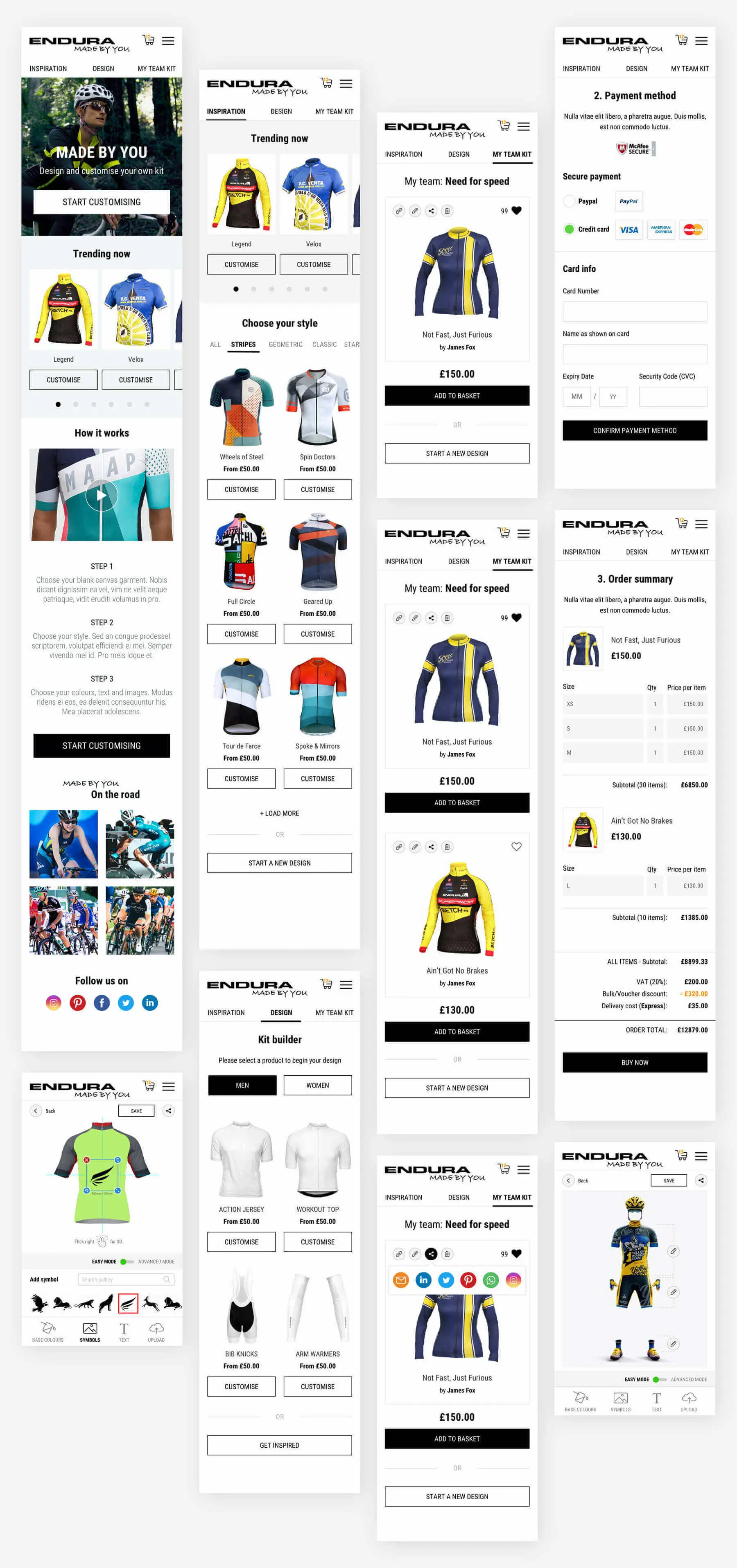
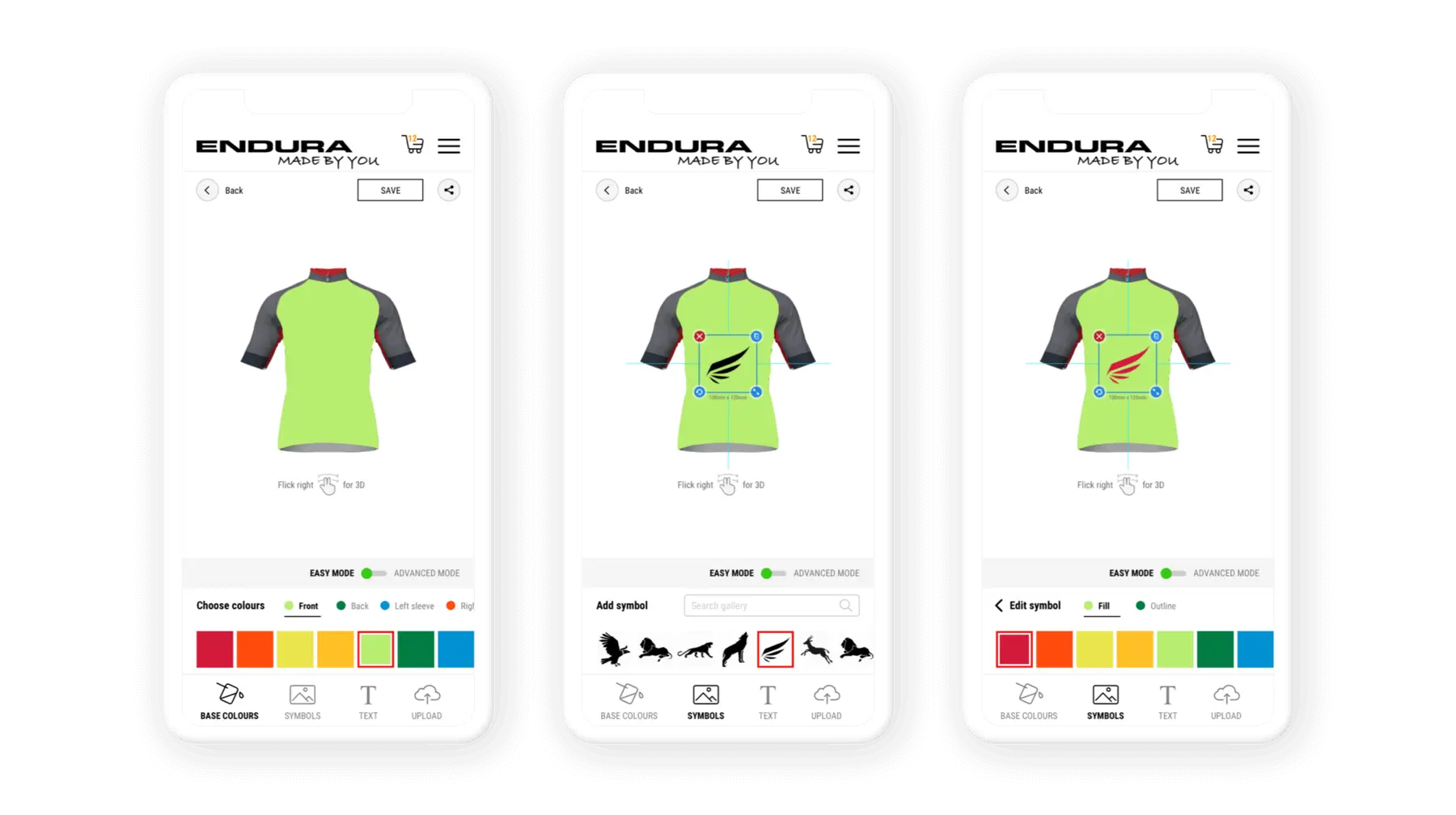
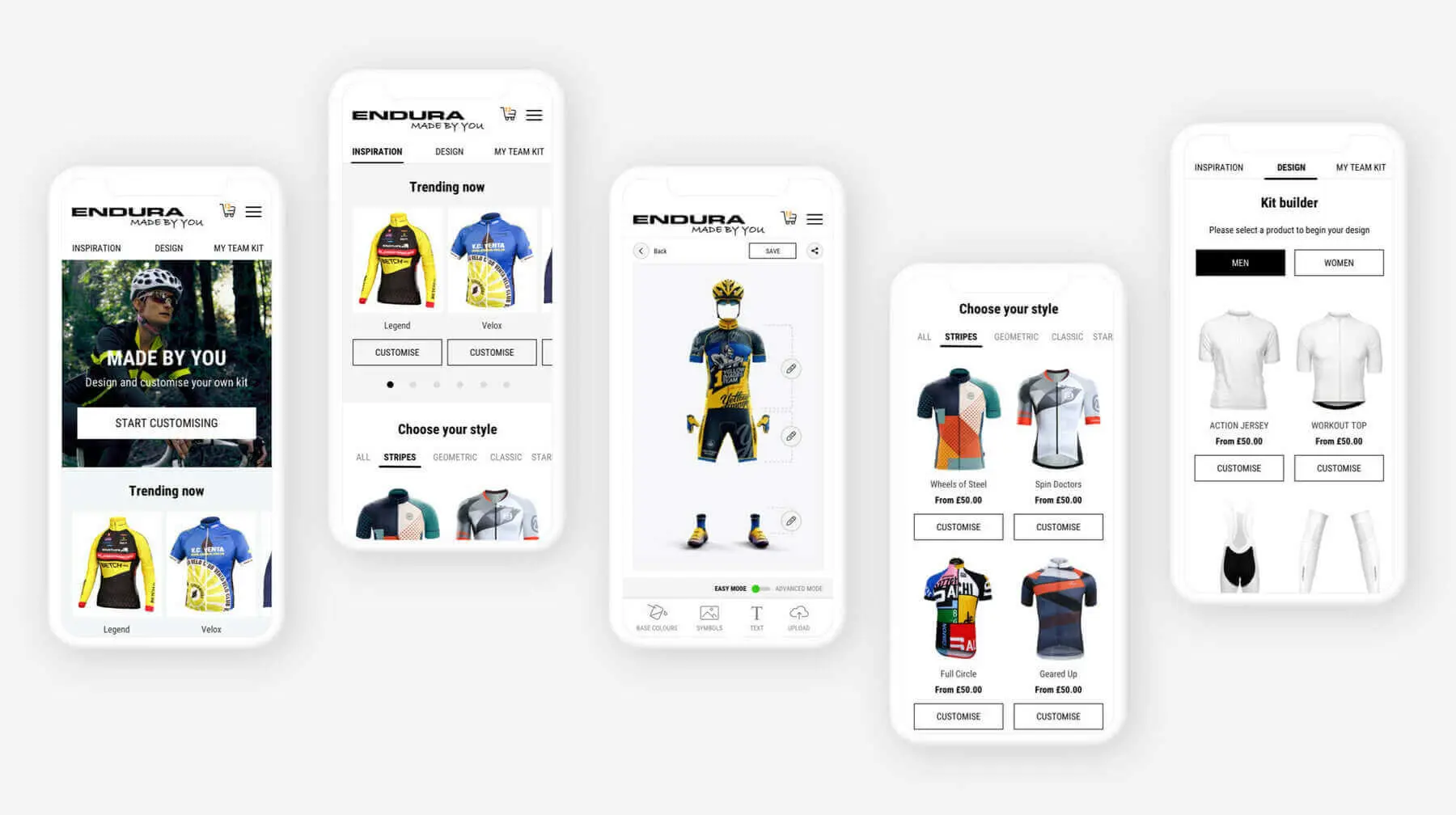
From there, we designed and built a high-fidelity interactive prototype - detailed enough to feel real to users, but built fast enough to be revised between research sessions. We ran structured research with Endura's target customers across different segments: club riders, occasional cyclists, and team buyers. Each session tested a specific part of the proposition and fed directly into the next iteration.
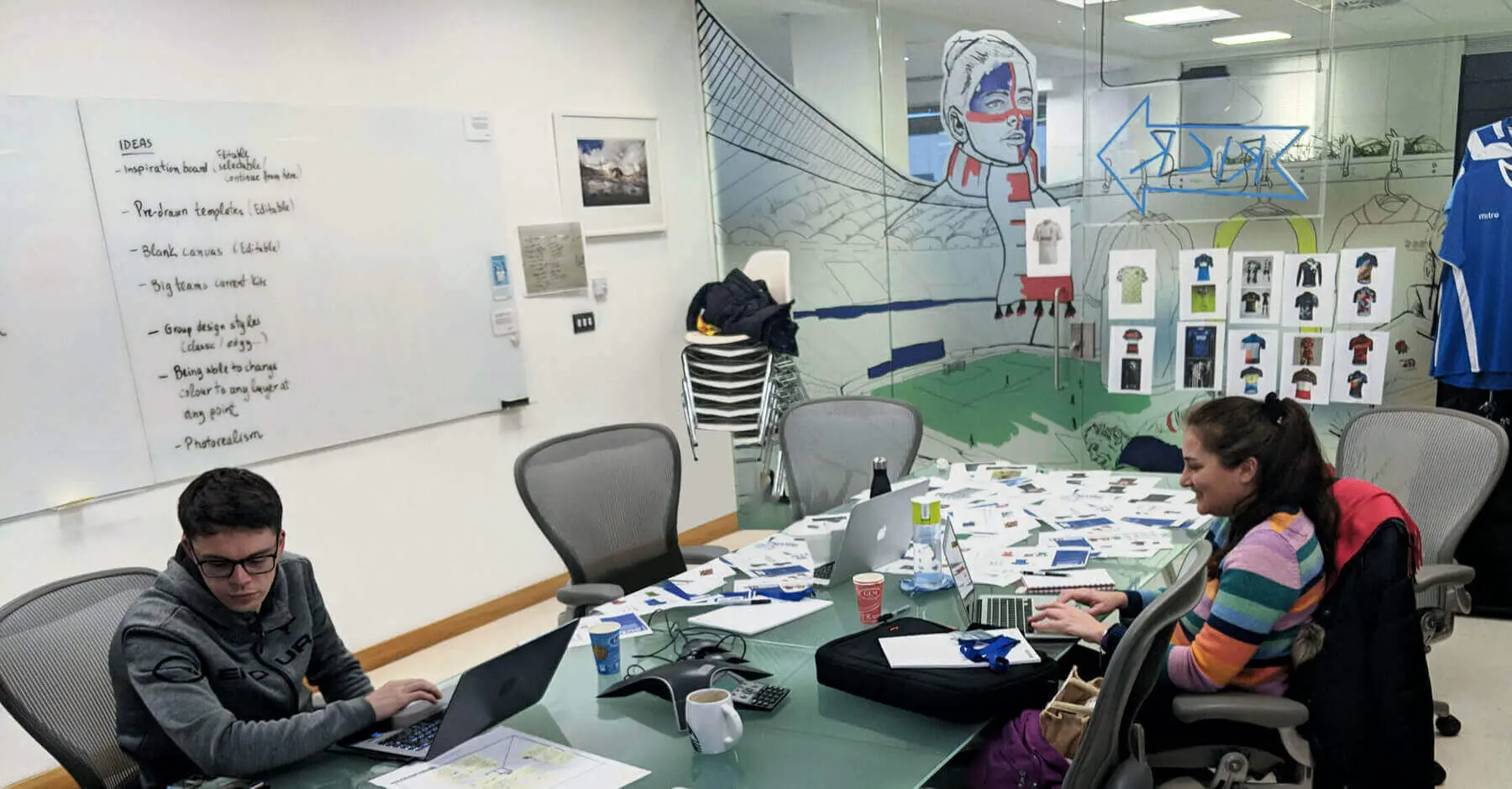
We led all sessions, synthesised findings, and delivered a clear output at the end of each sprint: what worked, what did not, what needed to change, and - critically - what was ready to move into development and what was not.
The testing programme gave Endura's leadership team something they could not have had from a traditional brief-and-build approach: evidence. Not assumptions about what customers might do - actual behaviour from real users interacting with a realistic version of the product.
Several key design decisions were validated early. Others were revised significantly based on what users actually did rather than what the team had assumed they would do. One element of the proposition was deprioritised entirely after research showed it added friction without adding value - a finding that saved meaningful development spend.
By the end of the programme, Endura had a clear view of which parts of the proposition were ready to build, a prioritised roadmap for subsequent phases, and confidence that the core 'Made By You' mechanic had genuine customer appeal.